

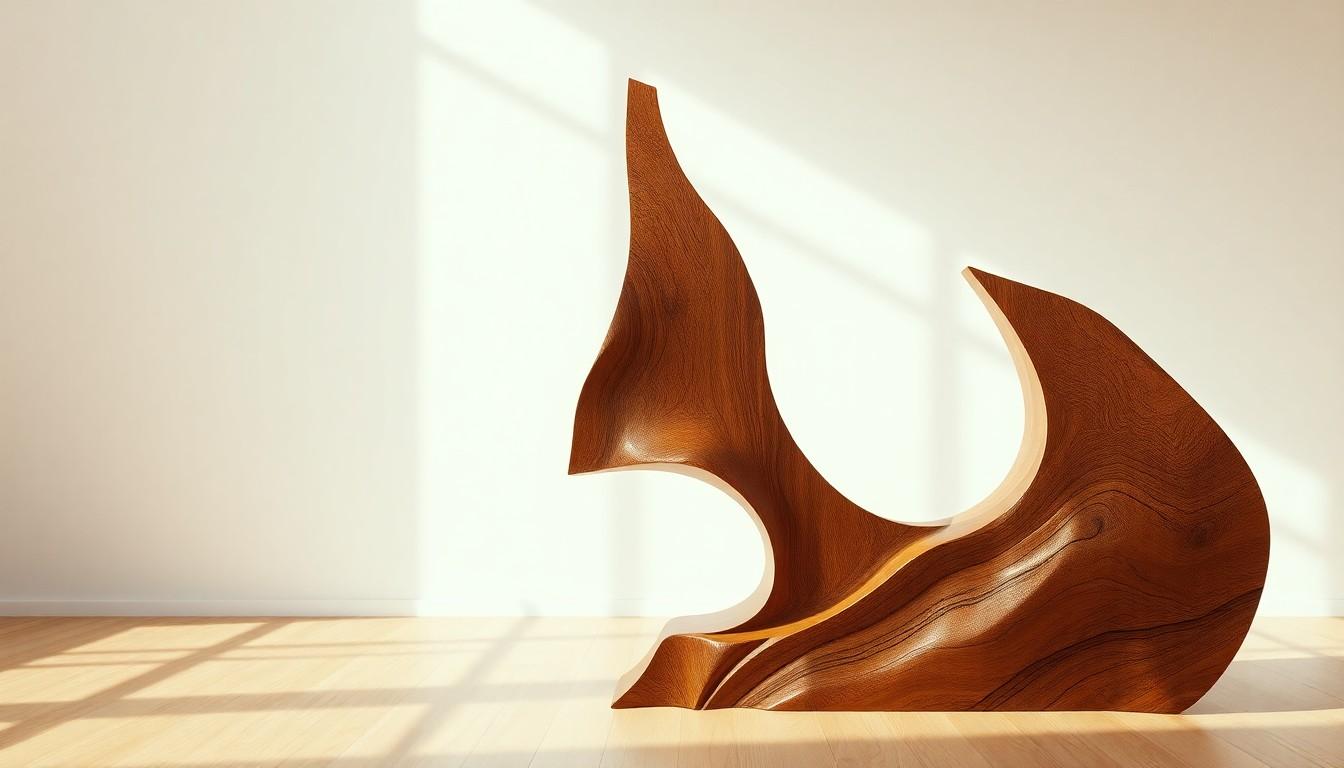
Imagine walking into a room and being greeted not by a boring painting, but by a stunning abstract wood sculpture that seems to dance in the light. These captivating pieces of art don’t just sit there; they invite conversation, spark curiosity, and maybe even inspire a little jealousy among your friends.
Abstract wood sculptures transform humble timber into mesmerizing forms that challenge perceptions and ignite the imagination. They blend nature’s beauty with the artist’s vision, creating a unique experience that’s both organic and avant-garde. Whether it’s a sleek, modern design or a whimsical twist, these sculptures add character and warmth to any space. So, if you’re ready to elevate your decor and impress your guests, it’s time to explore the enchanting world of abstract wood sculpture.
Overview of Abstract Wood Sculpture
Abstract wood sculpture stands as a remarkable art form that celebrates the natural beauty of timber. Artists manipulate wood’s texture, grain, and color to create unique and thought-provoking pieces. Various techniques such as carving, assembling, and layering enhance the visual impact of each sculpture.
Different styles exist within abstract wood sculpture, ranging from geometric forms to organic shapes. Geometric abstraction often emphasizes clean lines and symmetry, while organic designs might mimic flowing forms found in nature. Artists frequently draw inspiration from environmental elements or personal experiences, resulting in a diverse array of expressions.
Many practitioners utilize reclaimed or sustainably sourced wood to promote environmental consciousness. This choice not only supports sustainability but also adds a history to each piece. Visitors often find stories woven into the materials, further enriching the viewing experience.
Abstract wood sculptures serve numerous functions in interior design. They can act as focal points, drawing attention to specific areas of a room. Additionally, these sculptures often evoke emotion, making them conversation starters among guests. Whether placed in living rooms, offices, or galleries, they bring warmth and sophistication to various spaces.
Art collectors show a growing interest in abstract wood sculptures for their investment potential. Unique pieces by renowned artists can appreciate significantly over time. Many appreciate the craftsmanship involved, as each sculpture reflects the artist’s vision and skill. Collectors often seek après-sculpture events to connect with artists and gain deeper insights into their works.
Through thoughtful design, abstract wood sculptures enhance aesthetics and foster emotional connections. The seamless blend of nature and artistry invites viewers to contemplate their surroundings and engage with art on a personal level.
Historical Context
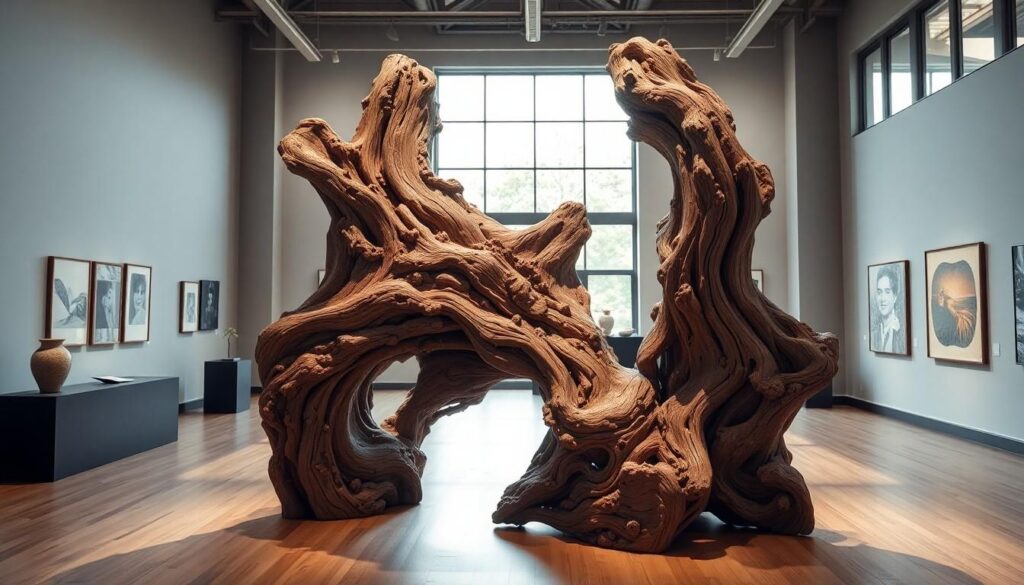
Abstract wood sculpture has deep historical roots, showcasing the transition of artistic expression through time. This art form draws from traditional woodworking techniques and reflects cultural evolution.
Origins of Wood Sculpture
Wood sculpture dates back thousands of years, with early examples found in ancient civilizations. Cultures such as the Egyptians and Indigenous peoples utilized wood for functional and ceremonial objects. Sculpture emerged as a vehicle for storytelling, with artisans creating pieces that embodied spiritual or cultural significance. Diverse techniques like carving and inlay flourished, shaped by local resources and customs. These functional origins laid the groundwork for the experimentation and abstraction seen in modern wood sculptures.
Evolution of Abstract Styles
Abstract wood sculpture evolved significantly during the 20th century as artists broke free from traditional constraints. Movements like Modernism and Abstract Expressionism challenged preconceived notions of art and representation. Artists began emphasizing form and texture over realism, inviting viewers to interpret shapes and materials subjectively. Unique approaches emerged, showcasing eco-conscious practices such as using reclaimed wood. Each piece reflects an artist’s response to contemporary issues, enriching the sculpture’s narrative and meaning. Today’s abstract wood sculptures continue to push boundaries, facilitating dialogue between nature and innovation.
Techniques and Materials
Abstract wood sculptures utilize various materials and techniques that contribute to their distinctiveness. Artists often select specific types of wood for their unique characteristics and textures.
Types of Wood Used
Hardwoods like oak and walnut feature prominently due to their durability and rich grain patterns. Artists embrace softer woods such as pine and cedar for their ease of manipulation and lighter weight. Reclaimed wood adds a sustainable aspect, often carrying historical significance. Cherry and maple are prized for their fine finishes and vibrant colors. Bamboo is an increasingly popular choice, valued for its eco-friendliness and flexibility in design.
Sculpting Methods
Carving remains a fundamental sculpting method, enabling artists to shape raw wood into intricate forms. Techniques like chiseling and sanding refine surfaces, highlighting the material’s natural beauty. Assemblage techniques involve piecing together different wood components, allowing for creative exploration. Layering brings depth and dimension to sculptures, creating visually captivating results. Burning or staining can enhance textures and enrich colors, adding a unique finish that enriches the artistic expression.
Notable Artists in Abstract Wood Sculpture
Abstract wood sculpture features a range of artists who contribute distinct styles and techniques. This section highlights influential figures in both contemporary and historical contexts.
Contemporary Artists
Contemporary artists redefine abstract wood sculpture through innovative approaches. David Nash integrates natural elements, allowing his pieces to evolve over time with the changing environment. John Grade creates sculptures that mimic natural forms, often using reclaimed wood to enhance the narrative of sustainability. Elspeth Owen’s work embodies geometric abstraction, emphasizing clean lines and captivating forms that engage viewers. Each artist not only showcases technical skill, but also encourages dialogue about nature, art, and consciousness.
Historical Influencers
Historical influencers laid the groundwork for modern practices in abstract wood sculpture. Alberto Giacometti utilized wood in his early works, exploring themes of existence and abstraction. Isamu Noguchi blended Japanese aesthetics with modernism, producing organic shapes that challenge traditional boundaries. Their pioneering efforts inspired later generations of artists to experiment with form and texture in new ways. The evolution of techniques and perspectives from these historical figures informs contemporary interpretations of abstract wood sculpture, celebrating the material’s rich heritage.
Impact and Significance
Abstract wood sculptures hold significant cultural and artistic value, enhancing both personal spaces and public environments. Their unique forms and textures prompt viewers to engage with art beyond traditional boundaries.
Cultural Implications
Cultural narratives often emerge through abstract wood sculptures, reflecting the heritage of various communities. Artists draw inspiration from folklore and nature, weaving traditional themes into their work. Sculptures serve as tangible expressions of identity, connecting viewers to shared histories and experiences. These pieces often represent the intersection of craftsmanship and cultural storytelling, making each sculpture a repository of meaning. As contemporary society faces rapid change, the relevance of wood sculptures reinforces the importance of cultural preservation and evolution in art.
Emotional Connection to Art
Emotional resonance in abstract wood sculptures creates a powerful connection between art and observer. Those who encounter these pieces often feel a sense of wonder and contemplation, prompting deeper reflection. A viewer’s personal interpretation can shift the meaning of a sculpture, allowing for individual experiences. Sculptures evoke emotions tied to memory, nature, or even personal struggles, engaging audiences on multiple levels. This emotional depth fosters a stronger bond with art, encouraging appreciation for the intricacies of human and artistic expression.
Abstract wood sculptures are more than just decorative pieces; they embody a fusion of nature and artistry that captivates and inspires. Their unique ability to evoke emotion and provoke thought makes them essential elements in modern interior design.
As artists continue to explore innovative techniques and sustainable practices, the relevance of these sculptures in contemporary art remains strong. Each piece tells a story that connects viewers to cultural narratives and shared experiences.
Incorporating abstract wood sculptures into any space not only enhances its aesthetic appeal but also invites deeper contemplation and appreciation for the artistry involved. Embracing this art form can transform environments and foster meaningful connections with art and nature.

